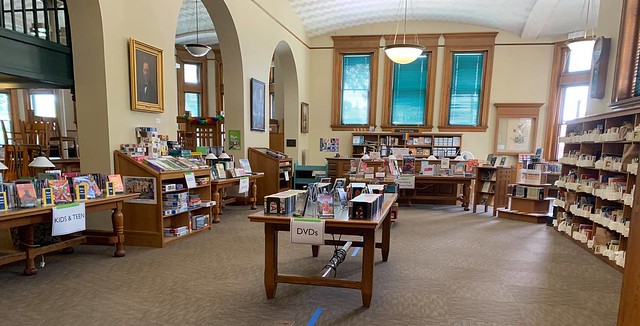
An online repository acts as a transformative resource in current learning, particularly in a university institution where students and scholarly professionals seek instant availability to a extensive compilation of resources. In contrast to traditional repositories, online research databases deliver the advantage of availability, comfort, and performance, establishing them an integral element of present intellectual institutions. A academic digital archive serves as a unified interface that delivers academics, professors, and researchers with access to electronic texts, periodicals, research papers, and other academic references. This availability eradicates the need to directly attend a library and enables students to obtain resources from anywhere at 24/7. The shift from brick-and-mortar knowledge centers to virtual platforms has significantly improved education journeys by providing real-time availability to current and essential materials.
A major key perks of a electronic database in a higher education facility lies in its immense assortment of information sources, unlike conventional knowledge centers that have capacity restrictions, online repositories possess the ability to hold an infinite collection of literary works and research articles, students and professors are able to looking for information using search terms, selection criteria, and subject divisions, rendering the research procedure notably effective, this comprehensive repository provides that users are able to gaining entry to both historical works and the up-to-date research in their field, keeping them knowledgeable with ongoing academic advancements, electronic archives also support multiple media types, such as PDFs, electronic publications, visual materials, and audio-based learning materials, catering to various comprehension methods and preferences.
An additional crucial benefit of a digital database stems from its ability to amplify partnership among academics and researchers, numerous academic virtual repositories provide tools such as collaborative markups, discussion forums, and joint study aids, such features allow students to communicate with peers, convey concepts, and collaborate on research endeavors together, even if they reside in distinct areas, this approach develops a more engaging and engaging learning space, strengthening the transmission of information across areas of expertise and backgrounds, furthermore, virtual databases integrate with learning management systems, allowing instructors to share reading materials and projects instantly through the system.
Cost-effectiveness stands as one more reason why virtual libraries are emerging as a optimal solution for colleges, operating a traditional information center demands substantial investments in facilities, servicing, and the ongoing purchase of updated printed materials, differently, electronic libraries lower expenses related to hard copy production, storage, and personnel management, several universities collaborate with scholarly sharing networks and publication houses to grant access to publicly available or affordable references to students, securing that knowledge acquisition persists as accessible, furthermore, electronic archives contribute to eco-friendliness by limiting the dependence on physical documents, assisting in ecological preservation.
User-friendliness and inclusivity stand as significant merits of electronic archives in a college system, learners with disabilities gain advantages from tools such as text narrators, speech output software, customizable text dimensions, and enhanced visibility modes, rendering educational resources more accessible, moreover, online archives eliminate physical distance constraints, allowing scholars from underdeveloped or low-income regions to gain entry to first-rate academic materials, this advantage is particularly useful for virtual education courses and long-distance academic programs, for which learners depend completely on virtual learning content to carry out their academic tasks.
Protection and digital asset control are equally essential elements of higher education virtual databases, these platforms leverage advanced cryptographic techniques and user validation systems to protect restricted academic materials from data breaches, numerous electronic repositories integrate AI and machine learning algorithms to tailor search results, aiding students discover useful content based on their search history and academic focus, this capability boosts the complete interaction quality by rendering research more productive and customized to personal requirements.
The incorporation of rich media in digital libraries additionally enriches the study approach, in contrast to hardcopy literature, academic databases provide access to interactive learning materials such as educational videos, digital testing grounds, virtual recreations, and educational broadcasts, such resources stimulate students in a dynamic manner, helping them master challenging concepts through audio-visual stimulation, this method diverse media utilization optimizes comprehension and memory recall, turning knowledge acquisition more effective and stimulating.
Notwithstanding its many merits, the integration of a online knowledge hub in a educational establishment entails strategic preparation and investment in digital infrastructure, learning centers must verify that their electronic archive systems function as easy to use, regularly enhanced, and capable of handling large volumes of users, adequate training and technical support needs to be made available to pupils and educators to make the most of scholarly databases, moreover, learning centers must manage barriers such as content ownership matters and digital divide concerns to ensure that the entire student body gain equitable availability of academic tools.
An Digital Library functions as an indispensable resource for any college, granting a uninterrupted and efficient way to gain entry to educational content, through supplying immense libraries, fostering intellectual synergy, cutting down on monetary requirements, increasing reach, and integrating dynamic study tools, online academic archives have reshaped the way students utilize learning materials, as innovation continues to evolve, colleges must stay aligned with these developments to guarantee that their electronic archives are kept academically valuable, functional, and impactful to the academic community.
 Ilmu Berburu