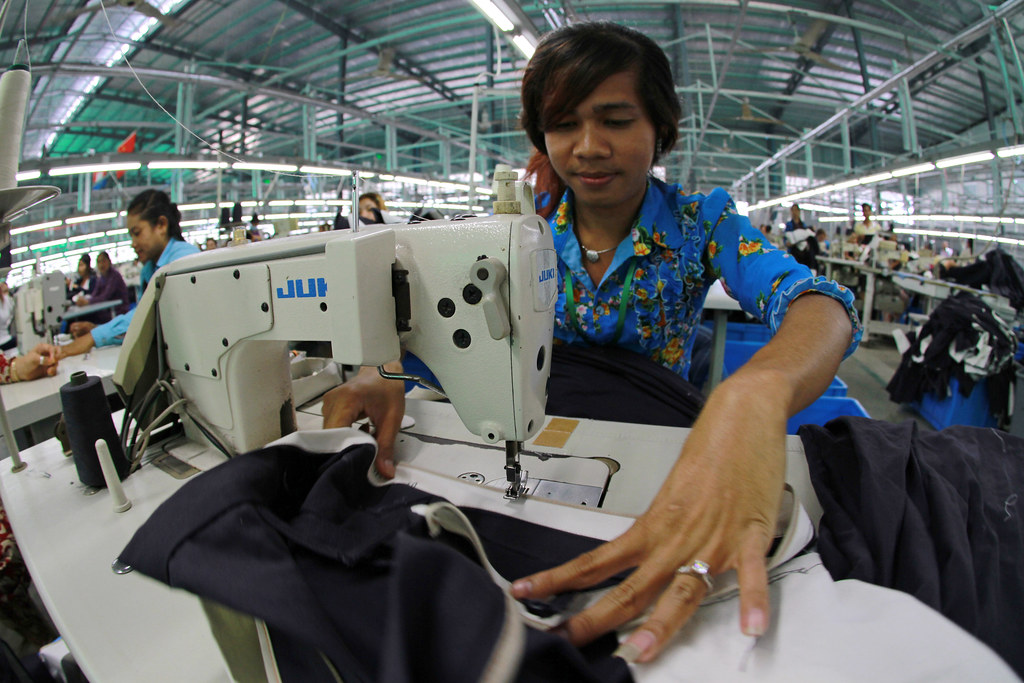
The Island of Bali, this Indochinese island utopia renowned for its stunning scenery, lively heritage, and welcoming reception, has transformed into beyond being just a tourist destination. In recent years, it has emerged as the epicenter of the global garment industry, offering an exceptional fusion of traditional craftsmanship and modern innovation. This article dives into the development of this Balinese fashion sector and its role in upholding cultural heritage while meeting international requirements.
The tale of story of Bali’s clothing sector commences with its prosperous fabric ancestry, firmly rooted in Bali’s tradition. For centuries, Balinese craftspeople have always been honing the island’s art of constructing and dyeing, crafting complex motifs and patterns that mirror Balinese religious faith and daily existence. The time-honored tie-dye and wax-resist approaches, characterized by their intricate patterns and dynamic hues, have been transmitted from one generation to another.
When the island of Bali opened its doors to global, the skilled artisans acknowledged the commercial potential of their art. What was once a cottage industry evolved into a flourishing garment industry. Local loom workers and artisans teamed up with business owners to create small textile ventures. This shift indicated the beginning of Balinese path into the worldwide style world.
A distinctive feature of the singular aspects of Bali’s garment industry is its dedication to preserving Bali garment attribute. Bali’s apparel are not only products; they are dressable masterpieces that narrate a story. Time-honored motifs influenced by the natural world, mythic lore, and spiritual beliefs are integrated into modern fashions, generating a fusion of past and current.
In a time when sustainability is of utmost importance, the island’s apparel business has also made notable advancements. Many Bali-based brands are devoted to sustainable practices. Organic colorants derived from vegetation and traditional coloring methods reduce the carbon footprint. Furthermore, indigenous craftspeople utilize organic materials, ensuring that production is ecologically sound.
What distinguishes the Balinese island’s clothing sector different is its stress on handcrafted craftsmanship. Every single article is crafted by hand with meticulous focus on details. The island’s craftspeople pride themselves in their craft, guaranteeing that each garment meets top-quality standards of excellence. This commitment to craftsmanship is not only an affirmation to their expertise but also a mirror image of the island’s robust sense of community and heritage.
While the island’s clothing sector still is strongly entrenched in its customs, it has also extended its views globally. This has turned into a coveted destination for global designers and brands looking for to collaborate with Balinese artisans. This merging of worldwide design sensibilities and native Balinese craftsmanship has brought about in an assorted variety of products that draw in to a broad spectators.
Just like any field, the Balinese island’s clothing industry confronts its portion of challenges. The current COVID-19 outbreak disrupted international distribution networks, impacting output and revenue. Moreover, the competitive nature of the field requires that enterprises must constantly generate and evolve to evolving client preferences.
Nonetheless, these obstacles have furthermore encouraged innovation and toughness within the garment sector. Many businesses have welcomed e-commerce platforms, enabling them to reach a wider audience outside of the island’s boundaries. Moreover, collaborations with global organizations and initiatives advocating equitable commerce have aided address social and economic challenges within Bali’s sector.
While the Balinese island’s apparel business continues to evolve, there is a mutual commitment to upholding the island’s cultural identity. Craftspeople and entrepreneurs realize the significance of handing down traditional techniques to upcoming generations. Educational workshops and training programs have been set up to assure that the craft of weaving and dyeing thrives for years to come.
To sum up, Bali’s clothing sector is a captivating fusion of custom and creativity. It not just showcases the island’s abundant ethnic tradition but also reveals its capacity to adjust to the dynamically changing global style environment. The island’s artisans and entrepreneurs have woven a tapestry that tells the story of Bali, and in the process, they have created a legacy that transcends borders and time.
 Ilmu Berburu